The Engine Inside: How Mitochondrial Health Quietly Determines Who Performs and Who Fades
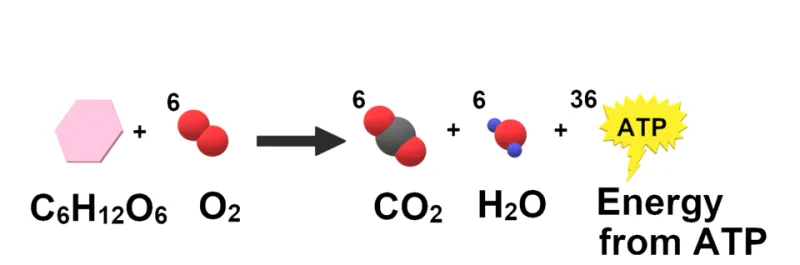
Photo: Christinelmiller, CC BY-SA 4.0, via Wikimedia Commons
There is a reason two men can follow nearly identical training programs, eat comparable diets, and sleep the same number of hours — yet one consistently outperforms the other. The explanation rarely lives at the surface level. Increasingly, researchers and clinicians are pointing toward a deeper variable: the health and density of mitochondria, the organelles responsible for converting nutrients into usable cellular energy.
For the performance-focused American man, this is not an abstract biology lesson. It is a practical framework for understanding why energy levels plateau, why recovery slows with age, and why mental clarity and sexual performance often decline in tandem with physical stamina. They share a common root.
What Mitochondria Actually Do — And Why It Matters Beyond the Gym
Mitochondria produce adenosine triphosphate, or ATP — the molecule your cells spend like currency to power every contraction, thought, and hormonal signal your body generates. A skeletal muscle cell might contain a few thousand mitochondria. A heart cell can contain up to 5,000. The brain, despite representing roughly two percent of body weight, consumes approximately twenty percent of the body's total energy output.
This distribution is not coincidental. The tissues that demand the most from mitochondria are precisely the ones most relevant to performance: muscles under sustained load, a brain processing complex decisions under pressure, and the reproductive system, which requires robust blood flow and hormonal signaling to function optimally.
When mitochondrial efficiency declines — whether through aging, oxidative stress, nutritional deficiency, or sedentary behavior — the consequences are systemic. Fatigue arrives earlier. Focus fractures more easily. Recovery timelines extend. Libido softens. These are not isolated symptoms. They are different expressions of the same underlying energy deficit.
The NAD+ Connection: Fuel for the Cellular Power Grid
One of the most discussed compounds in longevity and performance research over the past decade is nicotinamide adenine dinucleotide, commonly referred to as NAD+. This coenzyme plays a central role in the electron transport chain — the biochemical process by which mitochondria generate ATP.
NAD+ levels decline measurably with age. Research published in Cell Metabolism demonstrated that NAD+ concentrations in human muscle tissue drop significantly between early adulthood and middle age. This decline correlates with reduced mitochondrial function, diminished exercise capacity, and impaired cellular repair mechanisms.
Precursor compounds such as nicotinamide riboside (NR) and nicotinamide mononucleotide (NMN) have attracted considerable scientific attention as methods of replenishing NAD+ stores. Early human trials suggest these compounds may support mitochondrial biogenesis — the process of generating new mitochondria — as well as improve markers of metabolic health. While the research is still maturing, the mechanistic rationale is sound, and interest among performance-oriented consumers in the United States has grown substantially.
CoQ10: The Spark That Keeps the System Running
Coenzyme Q10, or CoQ10, occupies a critical position in the mitochondrial energy pathway. It functions as an electron carrier within the inner mitochondrial membrane, facilitating the production of ATP while also serving as a fat-soluble antioxidant that protects mitochondrial structures from oxidative damage.
The body synthesizes CoQ10 endogenously, but production declines with age — and is further suppressed by statin medications, which are widely prescribed to American men over forty. Supplemental CoQ10, particularly in its more bioavailable ubiquinol form, has demonstrated the ability to restore depleted levels and support cardiovascular efficiency, physical endurance, and post-exercise recovery.
For men managing cardiovascular risk while also prioritizing physical output, CoQ10 represents one of the more evidence-supported intersections of medical and performance supplementation.
Cellular Energy and Sexual Performance: The Link Most Men Miss
Erectile function and sexual stamina are frequently discussed in terms of testosterone and blood flow. Both are valid variables. But the mitochondrial dimension is often overlooked entirely.
Endothelial cells — the cells lining blood vessels — are extraordinarily mitochondria-dense and energy-dependent. Nitric oxide production, the mechanism that drives vasodilation and healthy erectile response, requires adequate ATP availability. When mitochondrial function is compromised, nitric oxide signaling suffers, vascular responsiveness declines, and sexual performance reflects that deficit in tangible ways.
Furthermore, testosterone biosynthesis itself occurs in the Leydig cells of the testes, which are among the most mitochondria-rich cells in the male body. The enzymatic conversion of cholesterol to testosterone is an energy-intensive process. Mitochondrial insufficiency at this site directly constrains hormonal output, independent of external factors like stress or sleep disruption.
This means that mitochondrial support is not merely adjacent to men's sexual health — it is foundational to it.
Additional Compounds Worth Understanding
Beyond NAD+ precursors and CoQ10, several other compounds are gaining traction in the context of mitochondrial optimization:
Alpha-lipoic acid (ALA) functions as both a mitochondrial cofactor and a potent antioxidant capable of regenerating other antioxidants, including vitamins C and E. It has demonstrated benefit in supporting mitochondrial enzyme activity and reducing oxidative stress in human trials.
Pyrroloquinoline quinone (PQQ) is particularly notable for its potential role in stimulating mitochondrial biogenesis — the actual creation of new mitochondria — through activation of the PGC-1α pathway. While human research is still developing, animal studies have shown meaningful increases in mitochondrial density with PQQ supplementation.
Magnesium is required for over three hundred enzymatic reactions in the body, including several critical to ATP synthesis. A significant proportion of American men are estimated to consume insufficient magnesium through diet alone, making targeted supplementation a practical and often overlooked baseline intervention.
Building a Mitochondrial Foundation
Optimizing mitochondrial health is not a single-supplement solution. It reflects a layered approach: reducing oxidative burden, supplying the cofactors the energy-production pathway requires, and supporting the cellular signaling that governs mitochondrial quantity and quality.
For men serious about sustained performance — whether that means extended athletic output, sharper cognitive function under pressure, or sexual vitality that does not diminish prematurely with age — the mitochondria represent the most upstream point of intervention available. Everything downstream depends on how well this system is running.
The products available through HQ Potency are selected with this systems-level view in mind. Supporting cellular energy is not a niche concern for biohackers. It is the foundational logic behind every performance outcome that matters.