The Hidden Gatekeeper: How Your Gut Microbiome Controls Your Performance Ceiling
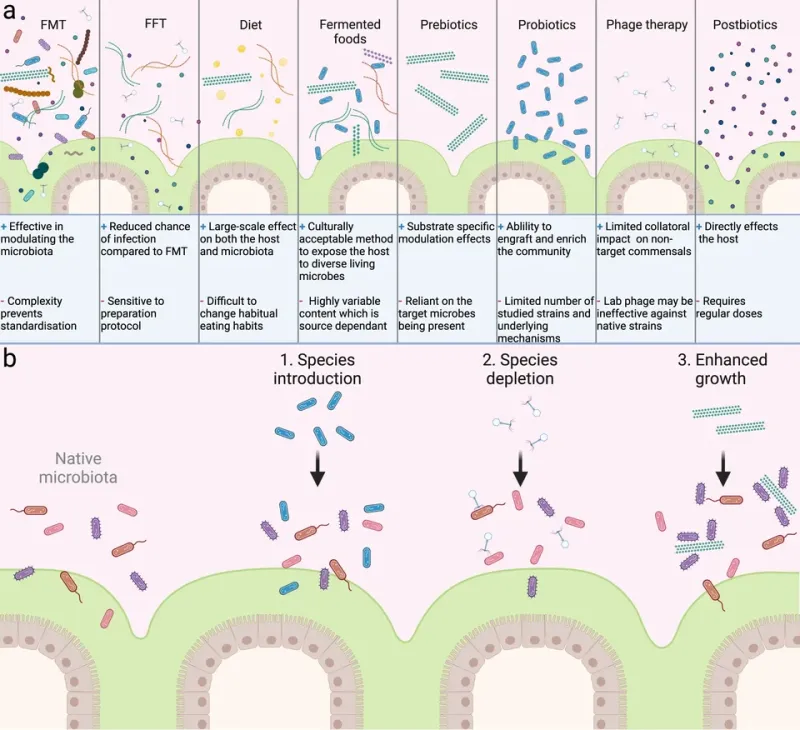
Photo: Authors of the study: Thomas C. A. Hitch, Lindsay J. Hall, Sarah Kate Walsh, Gabriel E. Leventhal, Emma Slack, Tomas de Wouters, Jens Walter & Thomas Clavel, CC BY 4.0, via Wikimedia Commons
The System Beneath the Stack
There is a widespread assumption in performance culture that supplementation is primarily a matter of inputs. Choose the right compounds, dose them correctly, time them strategically—and results follow. This framework is incomplete in a way that has measurable consequences. Between the moment a supplement is consumed and the moment its active compounds reach target tissues, an enormously complex biological system makes consequential decisions about absorption, conversion, and utilization. That system is the gut microbiome, and most performance-focused men have never seriously considered it.
The human gastrointestinal tract houses an estimated 38 trillion microbial organisms, representing hundreds of distinct species. This community is not incidental to human physiology—it is deeply integrated with it. The microbiome influences nutrient absorption efficiency, inflammatory signaling, hormonal metabolism, immune function, and even neurotransmitter production. For men pursuing performance optimization, each of these functions has direct relevance. A compromised gut environment does not merely reduce the effectiveness of a supplement stack. It can actively work against the goals that stack was designed to support.
Testosterone, Estrogen, and the Gut Connection
The relationship between gut microbiota and hormonal balance is among the more clinically significant findings in recent microbiome research. A specific collection of gut bacteria, now referred to in the literature as the "estrobolome," plays a central role in regulating estrogen metabolism. These bacteria produce an enzyme called beta-glucuronidase, which influences how estrogen is processed and whether it is excreted or recirculated through the body.
For men, excessive estrogen recirculation—driven in part by an imbalanced microbiome—can suppress testosterone levels, impair body composition, and diminish libido. This is a mechanism that operates independently of dietary choices or training variables. A man can be eating a clean diet, training consistently, and taking a well-designed hormone support product while simultaneously experiencing hormonal suppression driven by microbial imbalance in his gut.
Research has also identified direct relationships between specific bacterial strains and testosterone production. Lactobacillus reuteri, for example, has been studied in animal models for its apparent association with elevated testosterone and improved testicular function. While human research is ongoing, the directional evidence is consistent enough to warrant serious attention from men focused on hormonal optimization.
Nutrient Absorption: The Multiplier Effect
Supplements do not work in isolation from digestive physiology. The bioavailability of virtually every performance-relevant nutrient—zinc, magnesium, B vitamins, amino acids, fat-soluble compounds—is influenced by the state of the gut lining and the microbial populations that support its function.
Intestinal permeability, often discussed in clinical contexts as "leaky gut," describes a condition in which the tight junctions of the gut lining become compromised, allowing partially digested compounds and microbial byproducts to enter systemic circulation. The inflammatory response this triggers has downstream consequences for energy production, recovery speed, and cognitive clarity. Critically, it also impairs the selective absorption that allows beneficial compounds to reach target tissues at effective concentrations.
For men taking a comprehensive supplement stack, the practical implication is direct: if the gut environment is compromised, the effective dose of every product in that stack is lower than the label suggests. Investing in gut health is not a diversion from performance optimization—it is a prerequisite for it.
Specific Strains That Deserve Attention
Not all probiotic products are created equal, and the distinction between clinically studied strains and generic formulations matters considerably.
Lactobacillus acidophilus remains one of the most extensively researched strains for general gut health, with documented roles in maintaining intestinal barrier integrity and supporting immune regulation. Its presence in the gut is associated with reduced systemic inflammation—a variable with direct relevance to recovery and performance.
Bifidobacterium longum has been studied for its effects on stress-related gut dysfunction, a particularly relevant consideration given the documented relationship between cortisol, gut permeability, and performance impairment.
Lactobacillus plantarum has demonstrated utility in clinical settings for reducing intestinal inflammation and supporting the metabolism of certain amino acids, making it of specific interest to men with high training volumes.
Akkermansia muciniphila, while not yet available as a standalone probiotic supplement in most US markets, has emerged as a significant research target due to its association with metabolic health, gut barrier function, and body composition. Prebiotic compounds that support Akkermansia populations—including polyphenol-rich foods and certain fiber types—represent a practical avenue for supporting this strain indirectly.
How Common Performance Habits Damage the Microbiome
The same lifestyle patterns common among performance-focused men can be actively hostile to microbiome health. High-dose non-steroidal anti-inflammatory drug (NSAID) use, frequently employed for workout recovery, has documented negative effects on gut lining integrity. Antibiotic exposure, even when medically necessary, can disrupt microbial diversity in ways that persist for months without active restoration. Chronic sleep restriction—addressed in detail elsewhere on this site—has been shown to alter microbial composition unfavorably. And high-protein, low-fiber dietary patterns, common in bodybuilding and strength sports contexts, can reduce the diversity of gut flora by limiting the fermentable substrate that beneficial bacteria require to thrive.
None of these patterns is an argument against performance-focused behavior. They are arguments for building microbiome support into the recovery and supplementation protocol as a deliberate, ongoing practice rather than an afterthought.
Building a Gut-First Performance Foundation
Optimizing the microbiome before adding complexity to a supplement stack is not a conservative or cautious approach. It is a strategically sound one. A gut environment characterized by diverse microbial populations, intact barrier function, and efficient metabolic activity is one that extracts maximum value from every compound consumed.
Practical starting points include consistent prebiotic fiber intake from varied whole food sources, targeted probiotic supplementation using strains with documented clinical support, reduction of unnecessary gut-disruptive inputs, and attention to the stress and sleep variables that influence microbial balance. These are not glamorous interventions. They do not produce the kind of acute, perceptible sensations that many performance products are designed to deliver. But they address the biological foundation upon which every other performance variable depends—and that foundation, once established, amplifies everything built on top of it.