The Mineral Your Muscles Are Starving For: How Magnesium Deficiency Quietly Kills Your Gains

The Mineral Most Men Never Think About
Walk into any gym in the United States and ask ten men what supplements they prioritize. You will hear whey protein, creatine, pre-workouts, and perhaps a multivitamin. Magnesium, if it comes up at all, is usually an afterthought—something associated with sleep aids or laxatives rather than raw strength and muscular development.
That perception is costing men measurable progress.
Magnesium is involved in over 300 enzymatic reactions in the human body. Among those reactions are several that sit at the very foundation of athletic performance: adenosine triphosphate (ATP) synthesis, muscle fiber contraction and relaxation, protein synthesis at the cellular level, and the hormonal signaling pathways that govern testosterone production. When magnesium is insufficient, all of these processes are compromised—subtly at first, then in ways that become impossible to train around.
Why American Men Are Chronically Deficient
The United States Department of Agriculture estimates that a significant portion of American adults fail to meet the recommended daily intake of magnesium, which sits at approximately 420 milligrams per day for adult men. The reasons are structural rather than behavioral.
Modern industrial agriculture has progressively depleted the magnesium content of topsoil over the past several decades. Crops grown in mineral-poor soil absorb less magnesium, which means the spinach, nuts, and whole grains that were once reliable dietary sources now deliver a fraction of what they once did. A serving of spinach in 1950 contained meaningfully more magnesium than the same serving today—a consequence of soil exhaustion and high-yield farming practices that prioritize volume over mineral density.
Compounding the dietary shortfall are several lifestyle factors common among performance-oriented men. Intense exercise dramatically increases magnesium excretion through sweat and urine. High alcohol consumption depletes intracellular stores. Chronic psychological stress—a defining feature of modern American professional life—activates the hypothalamic-pituitary-adrenal axis in ways that accelerate magnesium loss. Even high caffeine intake, nearly universal among men who train seriously, has been shown to promote renal excretion of the mineral.
The result is a population of men who are working harder in the gym than any previous generation while running on physiologically depleted reserves.
What Deficiency Actually Does to Your Performance
The consequences of insufficient magnesium are not dramatic or sudden. They are insidious, manifesting as a collection of symptoms that most men attribute to overtraining, poor sleep, or aging.
Muscle cramping and prolonged soreness are among the earliest indicators. Magnesium governs the calcium-pump mechanism that allows muscle fibers to relax after contraction. Without adequate magnesium, calcium remains elevated inside the cell, producing sustained tension, cramping, and the kind of deep muscular fatigue that lingers well past a reasonable recovery window.
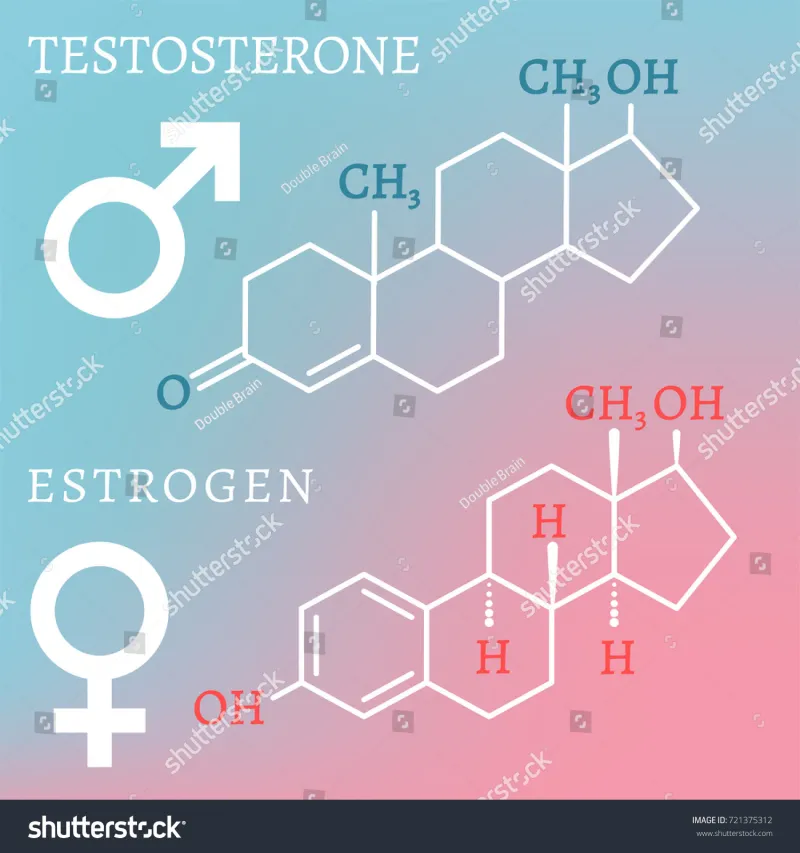
Perhaps more consequential for men focused on strength is magnesium's relationship with testosterone. Multiple clinical studies have demonstrated a statistically significant positive correlation between serum magnesium levels and free testosterone concentrations in men. One widely cited investigation published in the journal Biological Trace Element Research found that magnesium supplementation over four weeks produced measurable increases in both free and total testosterone, with effects amplified in men who exercised regularly. The mechanism involves magnesium's role in reducing sex hormone-binding globulin (SHBG) activity, which effectively frees more testosterone for cellular use.
At the neurological level, magnesium functions as a regulator of the N-methyl-D-aspartate (NMDA) receptor, a glutamate receptor central to neural excitability and recovery. Deficiency leaves the nervous system in a state of chronic low-grade hyperexcitability—contributing to poor sleep quality, elevated resting anxiety, and diminished neuromuscular efficiency. A man who cannot achieve deep, restorative sleep is a man whose growth hormone secretion is blunted, whose muscle repair is incomplete, and whose cortisol clearance is inadequate. Magnesium deficiency, in this sense, creates a cascade of downstream hormonal dysfunction that no amount of additional protein will correct.
Why Most Magnesium Supplements Underdeliver
Recognizing the deficiency is one matter. Correcting it effectively is another, and this is where many men waste both money and opportunity.
The supplement market is saturated with magnesium oxide—the cheapest and most commonly manufactured form of the mineral. Magnesium oxide has a bioavailability rate of roughly four percent in most individuals. The majority of each dose passes through the gastrointestinal tract without being absorbed, which explains both its popularity as a laxative and its near-uselessness as a performance supplement.
Bioavailability varies substantially by compound form:
-
Magnesium glycinate binds the mineral to the amino acid glycine, producing a chelated compound with significantly higher absorption rates and minimal gastrointestinal side effects. This form is widely regarded as the standard for general supplementation and nervous system support.
-
Magnesium malate pairs magnesium with malic acid, a compound involved in the Krebs cycle and ATP production. This combination is particularly relevant for men prioritizing energy metabolism and muscular endurance, as malic acid plays a direct role in mitochondrial function.
-
Magnesium L-threonate is the most clinically distinctive form. Developed at MIT, this compound was specifically engineered to cross the blood-brain barrier—something that standard magnesium forms do poorly. Research has demonstrated its capacity to elevate cerebrospinal magnesium concentrations, with implications for cognitive performance, sleep architecture, and neurological recovery. For men whose performance demands extend beyond the physical, this form merits serious consideration.
-
Magnesium taurate, which combines magnesium with taurine, has demonstrated favorable outcomes in cardiovascular research and may be particularly relevant for men with elevated blood pressure or those managing high-intensity training loads.
Magnesium citrate represents a middle ground—more bioavailable than oxide, less targeted than glycinate or threonate, and generally well-tolerated at moderate doses.
Practical Dosing and Timing Protocols
For men beginning supplementation, a pragmatic approach involves layering forms to address multiple physiological targets simultaneously. A foundational protocol supported by exercise science research might include:
-
200–400 mg of magnesium glycinate taken in the evening, approximately 60 to 90 minutes before sleep. This timing leverages magnesium's NMDA-receptor modulation to support deeper sleep stages, where the majority of anabolic repair occurs.
-
150–200 mg of magnesium malate taken in the morning or pre-workout, to support ATP production and reduce exercise-induced fatigue during training sessions.
Men with specific goals related to cognitive recovery or those managing particularly demanding schedules may consider adding magnesium L-threonate (typically dosed at 1,500–2,000 mg of the compound, which delivers approximately 140 mg of elemental magnesium) in the evening alongside glycinate.
Total elemental magnesium from supplementation should generally remain below 500 mg per day to minimize the risk of gastrointestinal discomfort. Dietary sources—pumpkin seeds, dark chocolate, almonds, black beans, and avocado—should be maintained as the nutritional foundation, with supplementation serving as a targeted correction rather than a wholesale replacement.
Laboratory testing via a red blood cell (RBC) magnesium assay, rather than standard serum testing, provides a more accurate picture of intracellular magnesium status and is worth requesting from a physician before establishing a long-term protocol.
The Takeaway
Strength is not built on protein alone. The enzymatic machinery that drives muscle protein synthesis, the hormonal environment that determines whether testosterone is available to act on muscle tissue, and the neurological infrastructure that governs recovery and sleep quality all depend on a mineral that modern agriculture has made increasingly difficult to obtain from food alone.
Magnesium deficiency is not a fringe concern or a niche issue for clinical populations. It is a structural gap in the modern American man's nutritional profile—one with direct, measurable consequences for every performance goal he is working toward. Addressing it with the right forms, at the right doses, at the right times is among the highest-return interventions available without a prescription.